
How to Sell B2B SEO Services A Practical Agency Guide
Learn how to sell B2B SEO by positioning search around pipeline, qualified leads, buyer intent, and measurable growth. This guide covers SEO audits, technical SEO, content, link building, SaaS SEO, pricing, and agency fulfillment.

Selling search work to a business buyer is different from selling a commodity marketing package. The buyer usually has a longer sales cycle, more stakeholders, a higher contract value, and a stronger expectation that every marketing channel can be tied to pipeline.
That changes the sales conversation. Instead of leading with rankings, traffic, or a list of deliverables, position SEO around business outcomes: reaching the right buyers, creating qualified leads, reducing dependence on paid acquisition, strengthening category visibility, and building a durable source of organic growth.
A strong B2B SEO offer should connect technical work, content, authority, and conversion paths to the way buyers research solutions. That is especially important for SaaS companies, enterprise brands, and other businesses where one client can be worth thousands or tens of thousands of dollars.
Why B2B SEO Needs Different Sales Positioning
B2B SEO is easier to sell when the offer reflects how business buyers actually buy.
A consumer may search, compare, and purchase in one session. A B2B buyer may move through problem research, category education, vendor comparison, internal evaluation, security review, procurement, and sales conversations before becoming a customer.
Your strategy should therefore cover more than top-of-funnel traffic. Build around commercial queries, comparison resources, solution assets, use cases, integrations, industry resources, and educational resources that support the buyer at multiple stages.
The marketing message should be simple: SEO creates durable visibility around the problems and solutions your best customers already search for. Done well, it can support lead generation, sales enablement, brand authority, and organic growth at the same time.
How to Build an Offer Buyers Understand
Do not begin with a 40-item checklist. Begin with the problem.
For example, a software company may have strong paid traffic but almost no organic pipeline. Another business may rank for educational terms but lack commercial landing assets that convert. A third may have excellent content but weak site foundations and no authority.
Turn those problems into a clear strategy. A practical offer can include:
technical SEO and site architecture
keyword and buyer-intent research
commercial page optimization
content planning and production
link building and digital authority
conversion recommendations
reporting tied to pipeline and revenue
The goal is to make the SEO service understandable to a marketing leader and to package SEO services around outcomes rather than individual tasks.
For agencies, this also makes fulfillment easier because the scope is tied to outcomes rather than random deliverables.
Use an SEO Audit to Lead With Evidence
An SEO audit is one of the strongest sales tools because it turns a vague pitch into a specific business case.
Do not hand the prospect a 100-page export. Find the few issues most likely to affect visibility, conversion, or revenue.
Show where important landing assets are missing, where competitors are outranking the company, where technical problems are limiting crawlability or indexation, and where messaging fails to address high-intent buyer questions.
A useful audit can also identify technical SEO problems such as internal linking gaps, duplicate content, indexation issues, poor page templates, weak structured data, or architecture that makes important URLs difficult to find.
The best audit creates a logical bridge from problem to strategy:
Here is what is happening → Here is why it matters → Here is what should happen next.
That is far easier to sell than a generic promise to "improve rankings."
Sell Qualified Leads, Not Rankings
Rankings are useful, but they are not the final product.
A B2B buyer cares about qualified leads, sales conversations, opportunities, pipeline, and revenue. Your proposal should therefore explain how search activity connects to those outcomes.
Start with the client's economics.
What is a new customer worth?
What does the current acquisition process cost?
Which products or segments have the best margin?
Which search terms signal that a buyer is close to evaluating vendors?
Then build content and optimization around those opportunities.
This is also where SEO becomes easier to defend internally. A marketing executive can explain pipeline contribution more easily than a report showing that 40 keywords moved from position 18 to position 11.
A good program still measures rankings and traffic, but it also tracks form submissions, demo requests, assisted conversions, sales-qualified opportunities, and the assets that influence them.
Build Strategy Around Buyer Intent
The best strategy starts with the buyer, not the keyword database.
Map the questions a prospect asks before buying:
What is the problem?
What type of solution exists?
Which vendors solve it?
What does it cost?
How does one option compare with another?
Will it integrate with the existing stack?
Is it secure?
Is it suitable for this industry or use case?
Those questions should shape the content architecture.
Educational content can create early discovery. Commercial landing assets capture active demand. Comparison and alternative resources support evaluation. Case studies and product education help reduce risk. Technical SEO ensures search engines can discover and interpret the entire system.
This approach is more valuable than publishing high-volume articles with no relationship to the product.
For an agency, it also creates a stronger sales story: every asset has a purpose, every topic maps to the buying journey, and every optimization supports a measurable commercial objective.
How SaaS SEO Changes the Sales Conversation
SaaS SEO often requires a closer connection between acquisition strategy and product economics.
A SaaS company may care about demos, trials, activation, MRR, ARR, customer acquisition cost, and payback period. That means the search strategy should prioritize topics and landing assets that can influence those outcomes.
A software program may include category hubs, feature landing pages, integrations, alternatives, comparisons, use cases, templates, educational assets, and product-led content.
The sales pitch should also acknowledge longer timelines. Organic growth compounds, but it usually requires consistent execution across site work, content, and authority.
For agencies working with software clients, this makes reporting especially important. Connect SEO activity with opportunity creation and customer acquisition rather than treating traffic growth as the only success metric.
Where Link Building Fits in the Offer
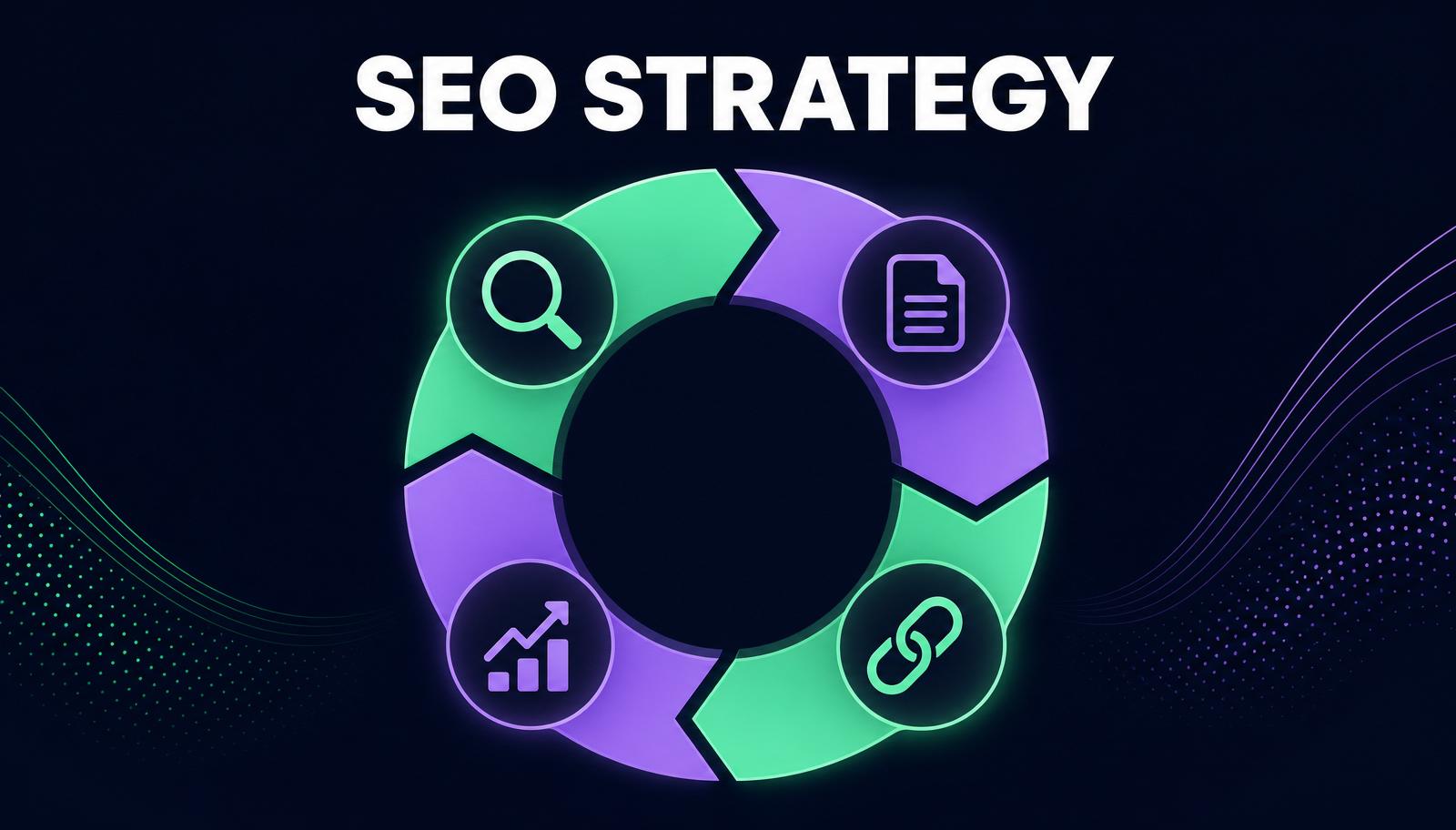
Link building should be sold as authority development, not as a pile of backlinks.
The buyer needs to understand why authority matters to SEO: strong URLs often need third-party signals to compete in difficult search results, especially when established companies already dominate the category.
A responsible link building plan can include editorial outreach, digital PR, relevant media placements, expert contributions, and other legitimate ways to earn attention.
Tie the work to priority URLs and topics. Do not promise a fixed ranking because a certain number of links are purchased.
For B2B companies, relevance and credibility matter more than raw volume. A smaller number of strong placements can support the broader strategy more effectively than hundreds of low-value links.
Connect Search to Demand Generation
Demand generation and SEO should reinforce each other rather than operate as separate marketing programs.
Search captures existing demand, but strong content can also create familiarity before a buyer is ready to speak with sales.
That content can be reused in:
Email
Paid distribution
Sales outreach
Webinars
Social channels
Account-based marketing
This is where demand gen teams and search specialists can work together. Search data reveals what buyers ask, while demand programs help distribute the best ideas to the right accounts.
The result is a more efficient content engine. Instead of creating assets for one channel, the company builds material that supports organic discovery, sales enablement, digital campaigns, and long-term growth.
How an SEO Agency Should Package and Price the Work
An SEO agency should package the engagement around the complexity of the problem, not simply the number of target terms.
A smaller company may need a focused technical foundation, a few commercial landing assets, and a consistent content plan.
Enterprise SEO may require stakeholder coordination, large-site architecture, international considerations, extensive technical governance, and a much larger content operation.
Pricing should account for:
Research
Strategy
Technical work
Content
Authority development
Project management
Reporting
Senior expertise
Agencies should also distinguish between strategic leadership and fulfillment.
A client may need the agency to own the entire program, or the internal marketing team may only need specialist execution.
Clear scope protects margin and prevents the account from becoming an unlimited bucket of SEO requests.
How Search Brilliance Can Support Agency Delivery
Search Brilliance gives agencies a fulfillment layer for work they sell but do not want to produce entirely in-house.
That can include content, technical SEO, link building, local optimization, digital PR, schema implementation, and AI-search work.
The agency keeps control of the client relationship, strategy, pricing, and communication while using outside execution where it improves capacity. This matches Search Brilliance's current white-label positioning for agencies and resellers.
This model can help an AEO agency expand beyond answer-engine work, or help a traditional agency add newer AI-search capabilities without rebuilding its entire delivery team.
The value is operational.
Agencies can build a stronger offer, close the right clients, and use specialized fulfillment to support growth without adding a full internal department for every service.
Frequently Asked Questions
What Should I Sell First?
Start with a problem the prospect already understands.
If organic visibility is weak, begin with an audit and prioritized roadmap. If commercial assets are missing, lead with content and optimization. If strong URLs cannot compete, authority may be the larger issue.
Do not try to sell every SEO tactic at once.
Make the first engagement easy to understand and connect it to a commercial outcome.
How Do I Find the Right Prospects?
Look for companies with a real economic reason to invest.
Strong prospects often have meaningful contract values, active marketing programs, visible competitors, paid acquisition spend, or an internal team that already understands the value of search.
For software businesses, look for companies with a clear category, defined use cases, and enough market demand to support organic acquisition.
Should I Guarantee Results?
No agency controls Google or a prospect's final revenue outcome.
Instead, set expectations around work, measurement, communication, and the indicators the campaign is intended to improve.
You can commit to the process and quality of execution without promising a ranking that depends on factors outside your control.
How Long Should I Ask Clients to Commit?
The answer depends on the competitive environment, starting point, and scope.
Search work generally becomes more useful when the client gives the strategy enough time to compound.
Explain the timeline honestly and show what happens during the early stages: research, technical fixes, new assets, editorial production, authority work, and measurement.
What Should Reporting Include?
Reporting should connect activity to business outcomes.
Include technical progress, important ranking changes, organic visibility, traffic quality, conversions, pipeline signals, and the performance of priority assets.
For sophisticated clients, report:
What changed → Why it changed → What was completed → What happens next
Can Search Brilliance Fulfill the Work Behind My Agency?
Yes.
Search Brilliance is designed to support agencies that want to sell search work while keeping the client relationship and strategic control. Its current white-label model provides an execution layer behind the agency's brand.
The agency can use individual fulfillment options or combine work across content, technical execution, authority, local search, digital PR, and AI visibility.
The strongest model is straightforward:
Sell a strategy you understand.
Scope the work clearly.
Use specialized fulfillment where it improves economics or capacity.
Remain accountable for the client outcome.